

When you step out onto a lush, vibrant green lawn on a summer weekend, it is easy to take that picture-perfect carpet of grass for granted. Turf suppliers operate at the fast-paced intersection of farming, logistics and customer service. Unlike traditional cropping where harvested yield can sit safely in a silo for months, living turf is a perishable biological product.
From the moment a roll of grass is cut from the soil, the clock starts ticking.
The Pre-Dawn Paddock Assessment
Long before the sun breaks over the horizon, a turf farm is already humming with activity. Early mornings are non-negotiable in the turf industry, particularly during peak spring and summer months when midday heat can quickly stress freshly harvested grass.
The day begins with a walk through the paddocks to check moisture levels and environmental conditions. Australia’s variable weather presents a constant puzzle. A heavy overnight frost in southern regions might delay cutting until the ground thaws slightly, while a hot northern spell means getting every pallet loaded and dispatched before the scorching heat sets in.
During this early window, order boards are reviewed and dispatch routes are finalised. Forklifts, turf cutters and transport trucks undergo quick pre-start checks. Every team member knows that speed and care are equally critical to keeping the grass alive and healthy.
The Precision Art of Harvesting
Harvesting turf is a technical discipline that relies on specialised machinery and skilled operators. Floating-head turf harvesters travel steadily down long, pristine ribbons of green, slicing through the root zone at a consistent depth.
The blade cuts just underneath the thatch, preserving enough topsoil and root mass for rapid re-establishment without making the rolls excessively heavy or bulky. Modern automated harvesters cut, roll and stack the turf directly onto wooden pallets with remarkable accuracy.
Choosing the right variety for harvesting depends heavily on what customers ordered the previous day:
- Sir Walter DNA Certified Buffalo: Famous across Australian suburbs for shade tolerance, soft texture and durability against pets and kids.
- Couch varieties: Popular for sports fields and sunny residential yards due to its fine leaf blade and dense growth habit.
- Kikuyu: A tough, economical option built to handle heavy foot traffic and recover rapidly from wear.
- Zoysia: A low-maintenance, drought-tolerant grass that requires less mowing and water once established.
Experienced turf suppliers understand that harvesting only what has been pre-ordered is essential. Harvesting excess inventory is risky because uncut turf stays healthy in the ground, whereas stacked rolls on a pallet generate internal heat and deteriorate rapidly if left standing too long.
Transport, Logistics & Quality Control
Once a pallet is stacked and strapped, it is loaded onto flatbed delivery trucks equipped with specialised off-road forklifts or turf buggies. Transporting live grass requires careful route planning. Drivers navigate everything from tight suburban cul-de-sacs and busy residential building sites to sprawling commercial developments.
Quality control occurs at every stage:
- Pallet inspection: Checking that rolls are tight, moist and uniform in thickness.
- Temperature monitoring: Ensuring pallets are not stacked too tightly in extreme heat to prevent root burn.
- Delivery scheduling: Coordinating drop-offs so landscapers and home improvers receive their deliveries right when site preparation is complete.
Because dedicated turf suppliers work so closely with civil contractors, local councils and residential clients, clear communication regarding site access, unloading zones and delivery timing is vital.
Agronomy, Paddock Maintenance & Regeneration
While trucks are out making deliveries, attention on the farm shifts toward nurturing the next generation of turf. A harvested paddock looks like a bare expanse of rich soil, but beneath the surface, runner networks and seed stocks are already preparing to regenerate.
The mid-morning hours are dedicated to paddock agronomy:
- Soil health: Aerating the soil, testing pH levels and applying balanced organic fertilisers to encourage strong root development.
- Irrigation management: Adjusting automated centre-pivot or travelling sprinklers based on real-time soil moisture sensors and weather forecasts.
- Pest & weed control: Monitoring paddocks for seasonal invaders like African black beetle, armyworms and broadleaf weeds before they take hold.
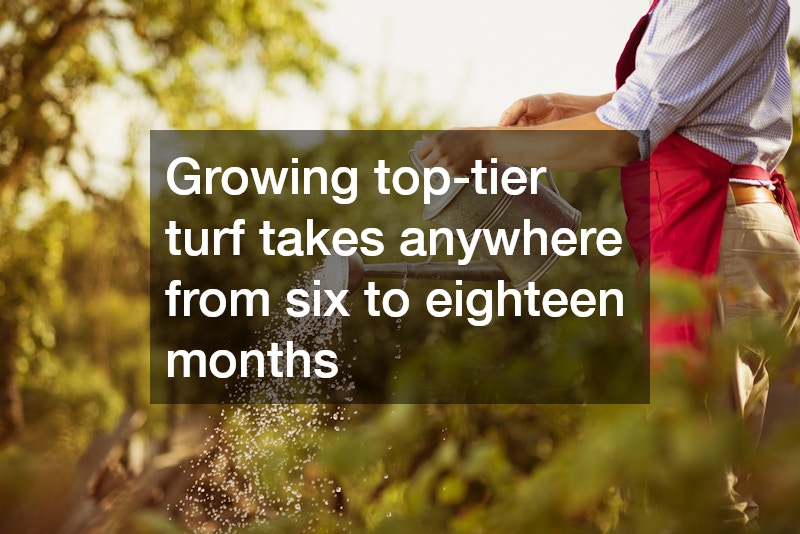
Growing top-tier turf takes anywhere from six to eighteen months depending on the grass variety and local climate. It requires patient stewardship, regular mowing to promote lateral density and disciplined weed management.
Wrapping Up & Preparing for Tomorrow
As the sun begins to set, trucks return to the depot to be washed down and prepped for the following day. Paddock equipment is serviced, fuel tanks are topped up and final orders for the next morning are confirmed.
It’s a demanding career that blends physical labour, modern agricultural technology and logistics management. Yet for those in the industry, the reward comes from seeing a bare patch of dirt transformed into a vibrant green lawn that will frame family memories and community sports for years to come.